


Blog Contents
Ice Cream Varieties and 7 Important Benefits
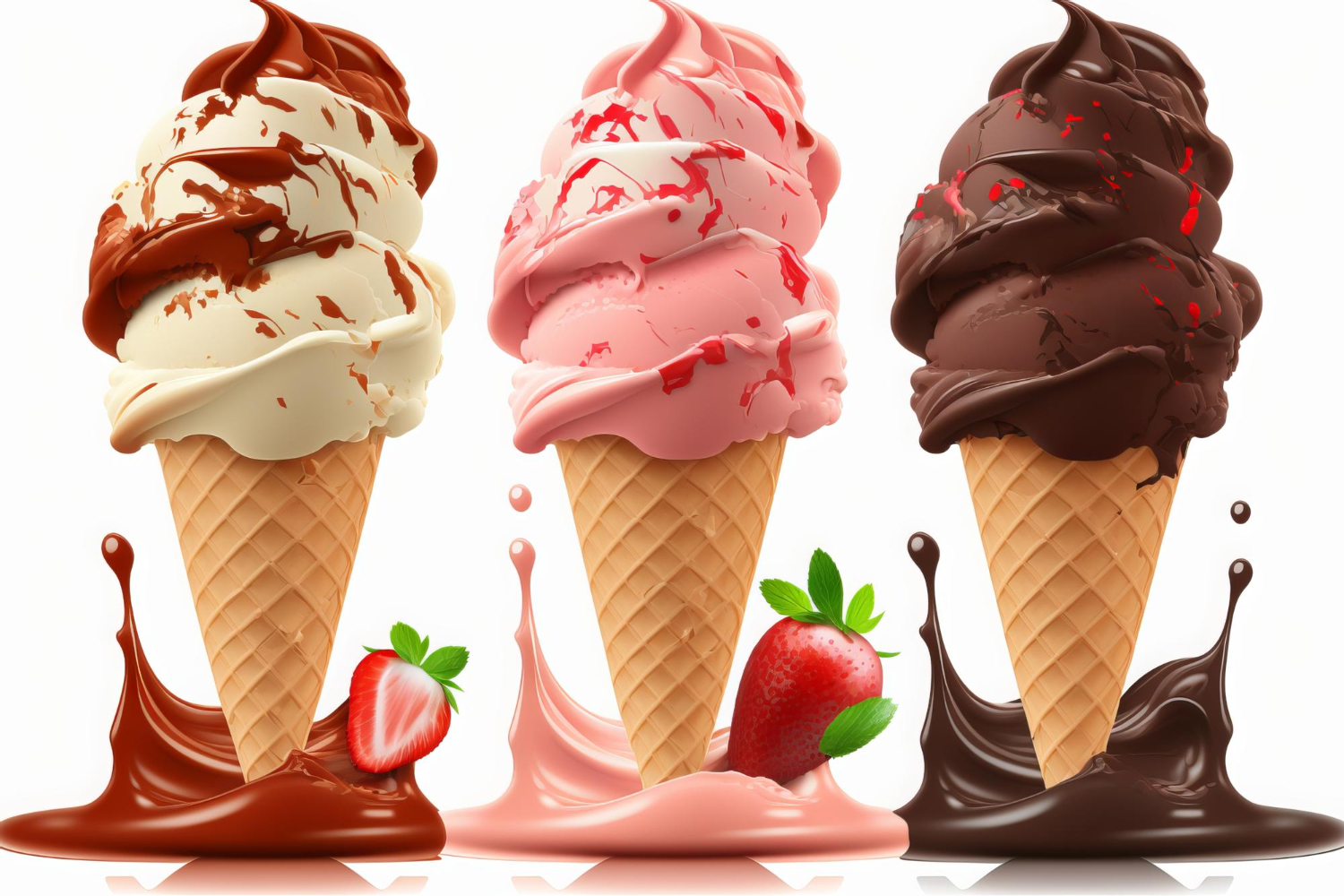
Sometimes a summer classic, sometimes a feast of flavors that delights the palate, and ice cream is children's favorite.
What is Ice Cream?
Ice cream is a cold dessert obtained by cooling various fruit juices or milk with added sugar. Its synonym is the word 'buzkaymak' (literally 'ice cream').
Ice cream is a frozen dessert made with ingredients such as milk or fruit juice, sweetened and usually colored. It is a popular flavor in Turkey and many parts of the world. The main ingredients of ice cream include milk, cream, and sugar; various fruit juices, chocolate, vanilla, hazelnuts, strawberries, and other aromatic substances and additives are added to obtain different flavors. A distinctive feature of ice cream in Turkey is the use of local ingredients such as salep and mastic. Salep makes the ice cream have a more elastic texture, and mastic gives it a unique aroma. This is an important characteristic that distinguishes Turkish ice cream from other ice cream varieties; because thanks to these ingredients, ice cream becomes more resistant to melting and can maintain its shape for a long time.
What are the Types of Ice Cream?
Ice cream varieties differ according to the ingredients used, preparation methods, and presentation styles. There are many types of ice cream around the world, here are some of the most popular ones:
- Classic Ice Cream: It is a traditional ice cream type made using milk, cream, sugar, and various flavorings. It comes in many different flavors such as vanilla, chocolate, and strawberry.
- Sorbet: It is a frozen dessert made without milk or cream, with water, sugar, and fruit juice or puree. It is a light and refreshing option, especially suitable as an alternative for those with lactose intolerance.
- Gelato: It is Italian-style ice cream and contains less fat compared to classic ice cream. It offers a more intense flavor and softer texture.
- Sherbet: May contain milk, but does not contain cream; made with water, sugar, and fruit juice or flavoring. Unlike sorbet, it contains slight milk or milk products.
- Frozen Yogurt: A dessert similar to ice cream made using yogurt. It contains less fat and is generally considered a healthier alternative.
- Mochi Ice Cream: A Japanese type of ice cream. The outside is covered with a sticky coating made from rice flour, and it contains various ice cream flavors inside.
- Vegan Ice Cream: A type of ice cream that does not contain animal products. It is made using plant-based milks such as soy milk, coconut milk, and almond milk instead of dairy milk.
- Soft Serve: A mixture of cream and sugar is whipped in a special machine and aerated to obtain soft ice cream. It is usually served in a cone.
- Turkish Ice Cream: A type of ice cream containing salep and mastic resin, with a unique elastic texture. It is known for its resistance and shape-holding properties.
Each of these varieties appeals to different tastes and dietary preferences. There are many more local ice cream varieties worldwide, and many of these varieties are produced using local ingredients and traditional methods.
Ice Cream in Turkey
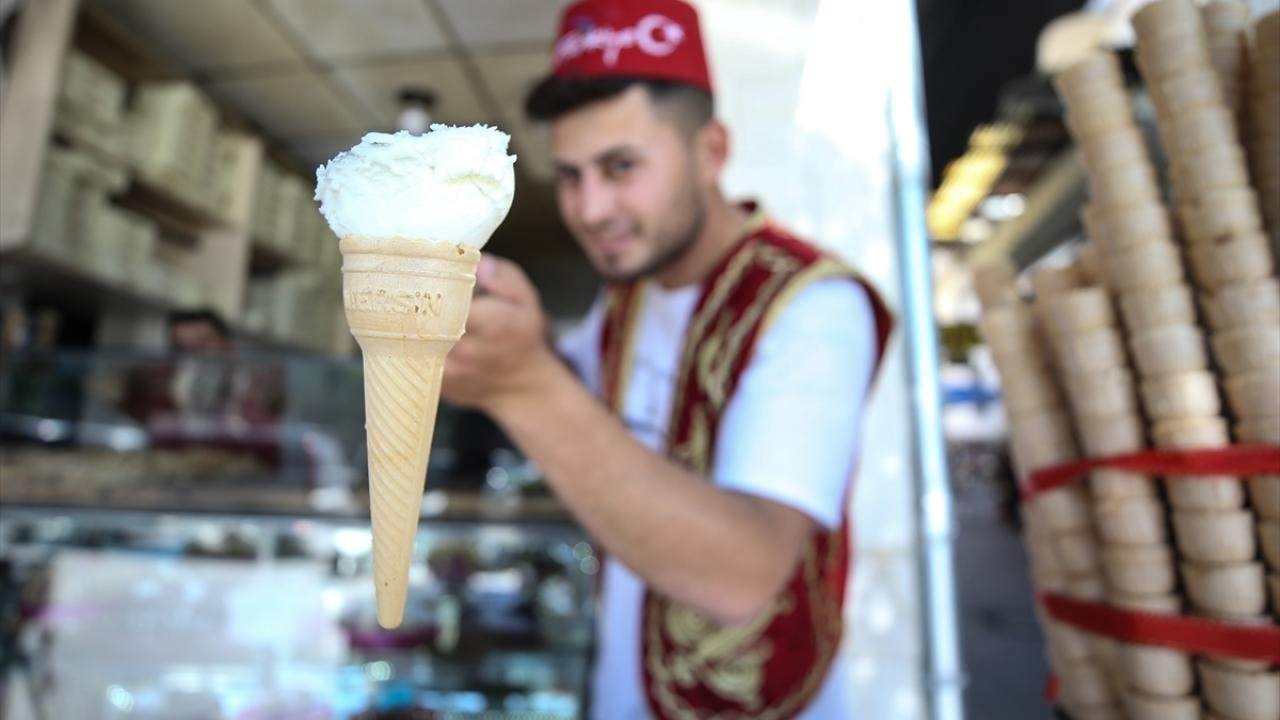
In Turkey, ice cream has been a beloved and widely consumed dessert for many years. Turkish ice cream is known for containing unique ingredients such as salep and mastic (gum resin), unlike other ice creams. These ingredients not only give ice cream a unique flavor and aroma, but also give it a distinctive texture and elasticity. Thanks to this, Turkish ice cream can be quite resistant to melting even on hot summer days.
The Importance of Salep and Mastic
- Salep, is a powder obtained from the roots of orchid species that grow in certain regions of Turkey. Salep increases the consistency of ice cream and gives it a characteristic stickiness and elasticity.
- Mastic, is a material with a unique aroma obtained from the resin of a tree specific to the Aegean region such as Çeşme and Chios Island. It adds a unique aroma and slight pine flavor to ice cream.
Popular Turkish Ice Cream Varieties
There are many varieties of ice cream in Turkey. Among these are traditional flavors as well as varieties made from local fruits. Maraş ice cream has gained fame in Turkey and is recognized internationally. The city of Kahramanmaraş is considered the birthplace of this unique ice cream.
Ice Cream Culture in Turkey
In Turkey, ice cream is important not only as a dessert, but also as a social activity. Street ice cream vendors are common in the summer months, especially in tourist areas and city centers. Ice cream vendors usually create a fun atmosphere by joking with customers and displaying skills in the exchange of ice cream.
In Turkey, ice cream is also a popular dessert choice on special occasions and holidays such as Ramadan. With its various flavors and presentation styles, Turkish ice cream forms an important part of Turkey's rich food culture.
Ice Cream in Ottoman Cuisine
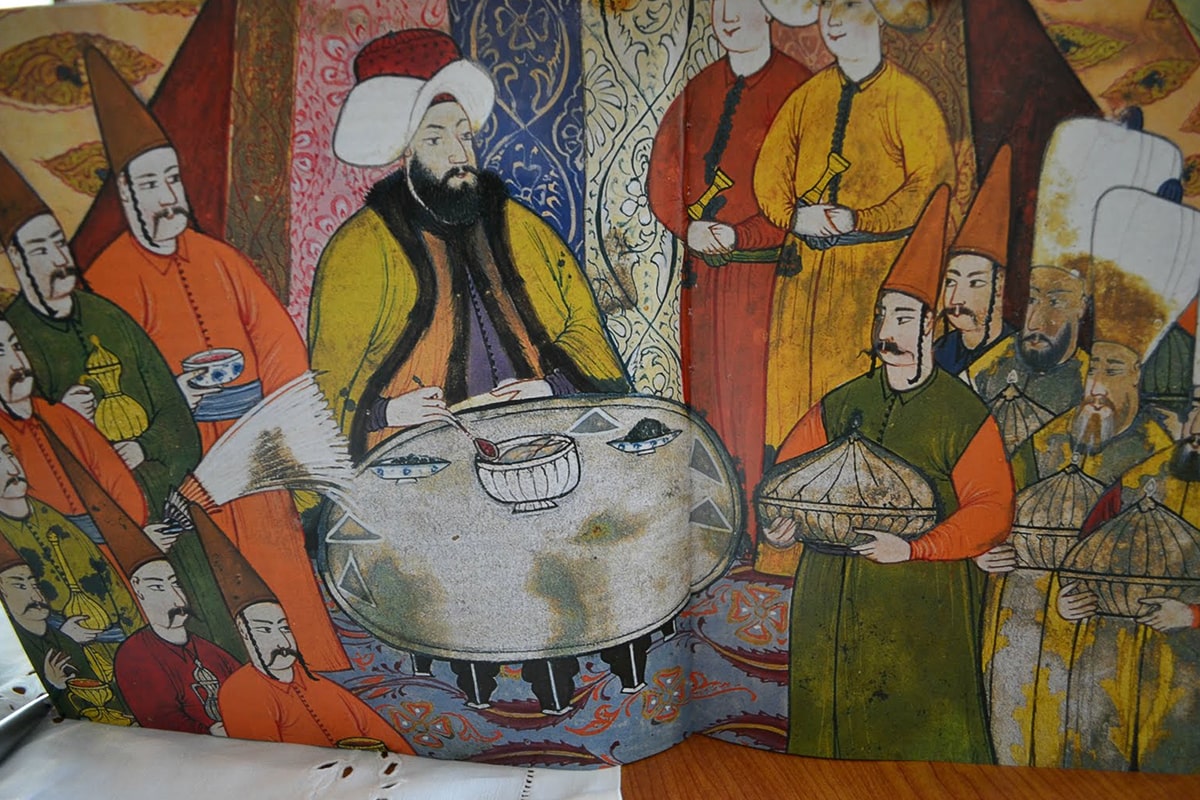
In the Ottoman Empire, ice cream was considered one of the select desserts of the palace kitchen and was quite popular in that period. Ottoman cuisine had a rich culinary diversity influenced by different cultures, and ice cream was part of this richness. Ice cream was a flavor widely consumed in the palace and among the elite, especially during the summer months during the Ottoman period.
Characteristics of Ottoman Ice Cream
The production of ice cream in the Ottoman Empire was a more labor-intensive and time-consuming process compared to today's methods. Ice cream was frozen and manually stirred at low temperatures obtained using a mixture of snow and salt. This method ensured that ice cream achieved a smooth and creamy texture.
One of the most important characteristics of Ottoman ice cream was the quality and variety of the ingredients used. Natural flavors such as salep, vanilla, rose water, fruit juices, and various spices added unique tastes to the ice cream. In particular, the use of salep was an important factor that distinguished Ottoman ice cream from other ice creams. Salep added a thickening property to the ice cream while also providing a unique taste and aroma.
Ice Cream in the Palace
In the Ottoman palace, ice cream was a prestigious dessert served on special occasions and celebrations. The making and presentation of ice cream in the palace kitchen was regarded as an art requiring great skill and attention. Ice cream was served not only in summer but also at special banquets in the palace during winter months. Given the technology of the era, this was made possible through special snow storage methods.
The Legacy of Ottoman Ice Cream
The ice cream tradition that has carried on from the Ottoman Empire to the present day has left a deep impact on the ice cream culture in Turkey. Traditional methods such as the use of salep and mastic in particular are among the distinguishing features of modern Turkish ice cream. The richness and diversity of Ottoman cuisine continue to form the foundations of Turkish ice cream, which is beloved in Turkey and around the world today. Turkish ice cream made with traditional ingredients such as salep and mastic keeps this sweet flavor from the Ottoman era alive today. This valuable heritage of Ottoman cuisine continues to shape the consumption and production of ice cream both in Turkey and in other countries influenced by Turkish cuisine.
When viewed historically, ice cream in Ottoman cuisine represents far more than just a dessert; it is also considered a reflection of the social and cultural life of the era and an indicator of the refinement and richness of the palace kitchen. Today, these traditional flavors and production methods continue to make Turkish ice cream a unique and sought-after taste worldwide.
Ice Cream Recipe at Home
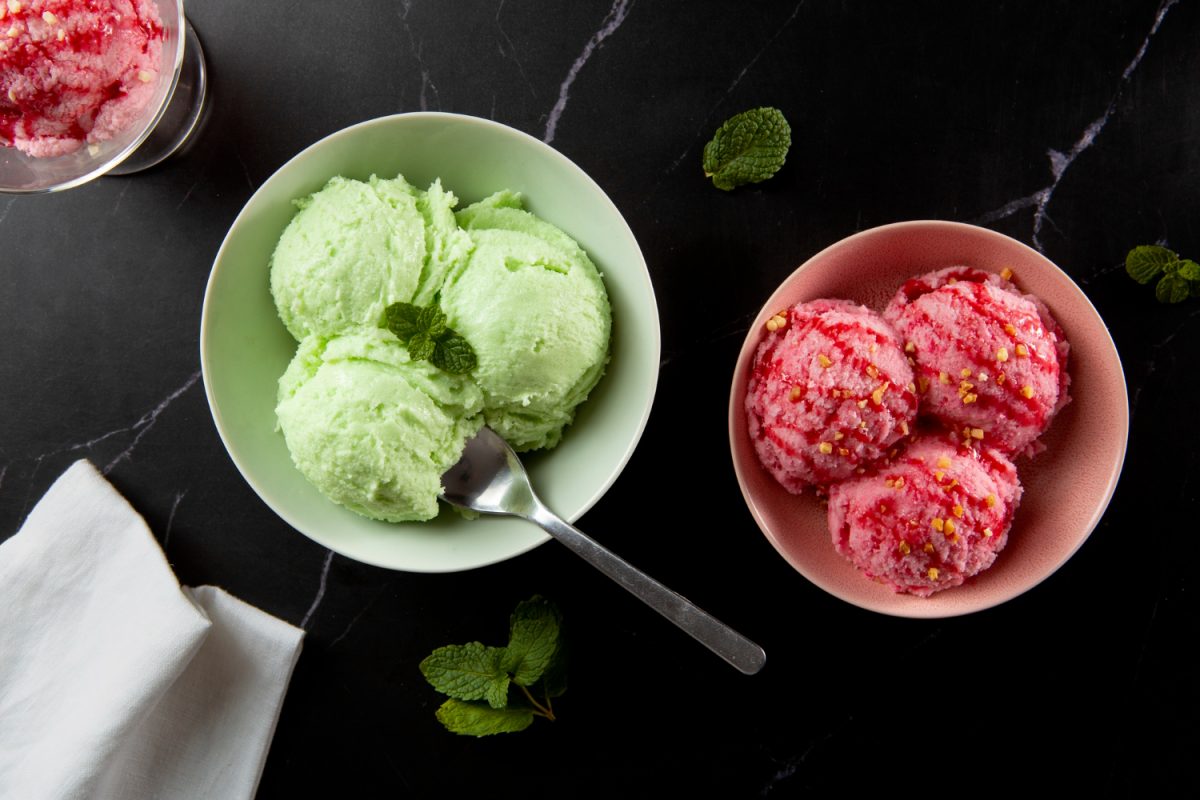
The ingredients and steps you need to make a classic vanilla ice cream at home are as follows. This recipe allows you to obtain a soft, creamy, and rich vanilla ice cream using basic ingredients.
Ingredients:
- 2 cups of whole milk
- 2 su bardağı krema (mümkünse %35 yağlılık oranında)
- 3/4 cup of sugar
- 1 vanilla bean or 2 teaspoons of vanilla extract
- 4 large egg yolks
Made:
- Heating the Vanilla and Milk: Split the vanilla bean lengthwise and scrape out the seeds. Place the milk, cream, vanilla bean, and seeds in a saucepan. Heat the mixture gently over medium heat, but remove from the stove before it begins to boil.
- Whisking the Sugar and Egg Yolks: Whisk the egg yolks and sugar in a large bowl, continuing until the mixture turns a light yellow color.
- Adding the Hot Milk Mixture to the Egg Yolks: Slowly and continuously stirring, add the hot milk mixture to the egg and sugar mixture. While doing so, add the milk mixture gradually to ensure the mixture warms up gradually.
- Cooking the Mixture: Pour the mixture you have obtained back into the saucepan over low heat and cook while stirring constantly. Cook until the mixture thickens and reaches a consistency that leaves a trail in the pan. Be careful not to boil the mixture.
- Cooling: Remove the mixture from the heat and take out the vanilla bean. Strain the mixture through a sieve into another bowl. This ensures the ice cream is smooth. To cool the mixture quickly, you can place the bowl inside another bowl filled with cold water.
- Churning in the Ice Cream Maker: Once the mixture has completely cooled, churn it in the ice cream maker following the manufacturer's instructions.
- Freezing: After the ice cream has reached a certain consistency in the machine, it is left in the freezer for a few hours or overnight to achieve a firmer consistency.
This simple recipe is a great starting point for learning the basics of homemade vanilla ice cream. Afterward, you can create your own unique ice cream varieties by adding different flavors and mix-ins.
How Should Ice Cream Be Consumed?

Ice cream is a beloved dessert around the world and can be consumed in various ways. Here are some popular and enjoyable ways to eat ice cream:
- Classic Cone Ice Cream: It is one of the most traditional and popular ways of consumption. Ice cream is placed in a cone and eaten while held in the hand. It is ideal for cooling down on hot summer days.
- Ice Cream Cups: Ice cream can be served in a small bowl or cup along with various sauces, fruit pieces, or nuts. This presentation style makes ice cream a richer dessert.
- Ice Cream Sandwiches: Ice cream sandwiches, made by placing ice cream between two cookies, are especially loved by children. This is a fun way to enjoy ice cream as a sweet snack.
- Ice Cream Beverages: Drinks such as milkshakes or smoothies can be prepared using ice cream. These beverages present the creamy texture and flavor of ice cream in a different form.
- Desserts with Ice Cream: Ice cream can be served alongside warm desserts such as brownies, waffles, or pudding. The combination of a warm dessert and cold ice cream creates a delicious contrast.
- Fruit Salad with Ice Cream: Adding a scoop of ice cream on top of a fruit salad offers both a refreshing and healthy dessert option.
- Ice Cream Cakes and Pastries: Cakes and pastries made with ice cream for special occasions attract the interest of both young and old. Ice cream can be added between cake layers or on top.
- Creative Presentations: Ice cream can be frozen in shaped molds or served using special presentation techniques. For example, serving ice cream in fruit shells or as chocolate-coated ice cream balls can create a visual feast.
While consuming ice cream, it is important to remember that it can melt quickly, and this process can accelerate even further in hot weather. Therefore, consuming your ice cream slowly and with enjoyment is the best way to savor it. Additionally, trying various flavors and combinations can make enjoying ice cream even more pleasurable.
Benefits of Ice Cream

Although ice cream is generally considered unhealthy due to its high sugar and fat content, it may have some health benefits when consumed in a balanced manner. Here are the health benefits of ice cream:
- A Source of Calcium: Since ice cream contains milk and cream, it is a good source of calcium. Calcium is an important mineral for bone health and can help reduce the risk of osteoporosis.
- Protein Content: Since ice cream is milk-based, it is also rich in protein. Protein is an essential nutrient for repairing cells in the body and strengthening muscles.
- Vitamins and Minerals: Milk and cream contain various vitamins and minerals such as vitamins A and D, as well as potassium, phosphorus, and B vitamins. These nutrients are important for overall health.
- Provides Energy: Since ice cream contains carbohydrates and fat, it provides a quick source of energy. This can be particularly beneficial for boosting energy levels after physical activity.
- Psychological Benefits: Eating ice cream can improve mood by increasing serotonin levels. Serotonin is a neurotransmitter in the brain and is known as the “happiness hormone”.
- Hydration: Ice cream can provide mild hydration due to its water content. On hot summer days, eating ice cream can help cool the body down.
- Healthier Options Available: Today, healthier options such as low-fat, low-sugar, and even vegan ice cream are available. Such ice creams offer healthy dessert alternatives for a wider audience.
